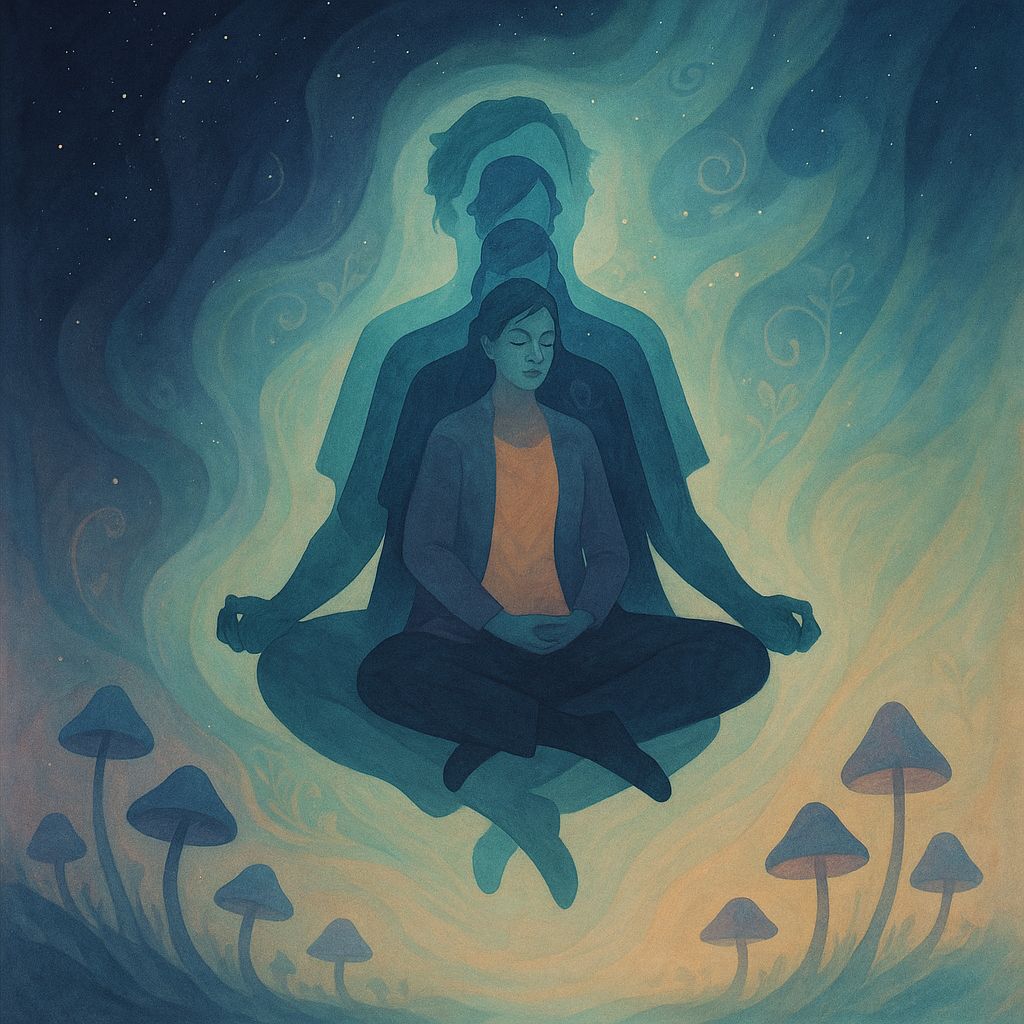
A spiritual awakening can feel like being unplugged from ordinary life and plugged into a vivid, cosmic current. You get insights, visions, a felt sense of oneness. It’s beautiful. It’s intoxicating. But for many of us the real work begins after that peak: when the visions fade, the downloads slow, and we find ourselves living in the same messy world as everyone else.
“Awakening from your awakening” is the next step. It’s the move from being someone who is awake to actually living the wakefulness in ordinary, tough moments. It’s integration over intensity. It’s compassion over spiritual status. It’s showing up when nothing mystical is happening.
The honeymoon of awakening — and where people get stuck
After a big opening, it’s easy to mistake a high for lasting transformation. You can build an identity around being spiritually evolved — the one with the stories, the practices, the glowing aura. You chase peak states: retreats, psychedelics, breathwork, visionary music. These experiences are valid and powerful. They can catalyse change. But they can also become a comfort zone: a way to avoid the slow, often painful work of being human.
The problem is not the experience itself — it’s what we do with it. When the high wears off, many of us expect the world to have changed. When it hasn’t, we feel disappointed, superior, or lost. That’s where spiritual bypassing happens: using transcendent states to avoid grief, responsibility, or messy relationships.
What “awakening from your awakening” actually means
Awakening from your awakening is a re-grounding. It’s the choice to stop performing wakefulness and start practicing it where it matters most — in the grocery queue, at the school run, in arguments, in hospital corridors, in times of injustice or heartbreak. It’s less about altered states and more about ethical, day-to-day presence.
Concretely, it means:
- Not needing to be “the spiritual one” in every conversation.
- Holding your grief and your joy with equal honesty.
- Responding to suffering with concrete help, not just compassionate thoughts.
- Letting your inner life inform your outer actions — in family, friendships, and community.
The point wasn’t to escape the world; it was to embrace it with clearer eyes.

How to practise integration — simple steps you can start today
You don’t have to have a dramatic ritual. Integration is small, steady, practical work. Try these:
- Bring your practice to ordinary moments.
Practice a short pause before you respond when your child cries, when someone cuts in line, or when your partner says something triggering. Five deep breaths can be more transformative than an isolated retreat. - Name your feelings, without spiritualising them.
Say to yourself, “I’m angry” or “I’m lonely.” Avoid turning everything into a lesson or a vibration. Naming anchors emotion in reality and opens the door to healing. - Do the hard, mundane things.
Call an old friend who’s struggling. Show up for someone who needs help. Keep your word in small commitments. These actions are spiritual when they come from presence and integrity. - Practice moral imagination.
Ask: how would my awakened values change what I do in daily life, in relationships, or in my community? Try one small, grounded shift this month. - Grieve and mourn.
Opening often exposes what’s been suppressed. Let yourself feel loss fully — relationships, illusions, small comforts. Mourning is integration work. - Drop the performance.
When you catch yourself signalling “I’m awake,” experiment with silence or curiosity instead. Ask genuine questions rather than giving answers.
The test of real awakening
Peak experiences are inspiring. But the truer measure is how you behave when conditions are ordinary or hard. Do you show compassion to someone who annoys you? Do you remain humble when praised, and honest when criticised? Do you keep showing up even when nothing feels mystical?
Anyone can look enlightened while glowing in a forest. The test is how you show up when you’re shopping, when your child is screaming, when the news is unbearable. That’s where wakefulness either becomes a habit or a costume.
Closing
Spiritual awakening is the opening — a necessary, precious step. Awakening from your awakening is the ongoing project: to bring that insight down to earth, into the small choices that build a life of integrity. If you want lasting change, practice not just the highs, but the slow, steady work of showing up.
The path forward isn’t to chase the next peak. It’s to wake up, and then to keep waking — in the kitchen, at the bus stop, in your relationships, and in the messy world that needs you awake, present, and willing to act.