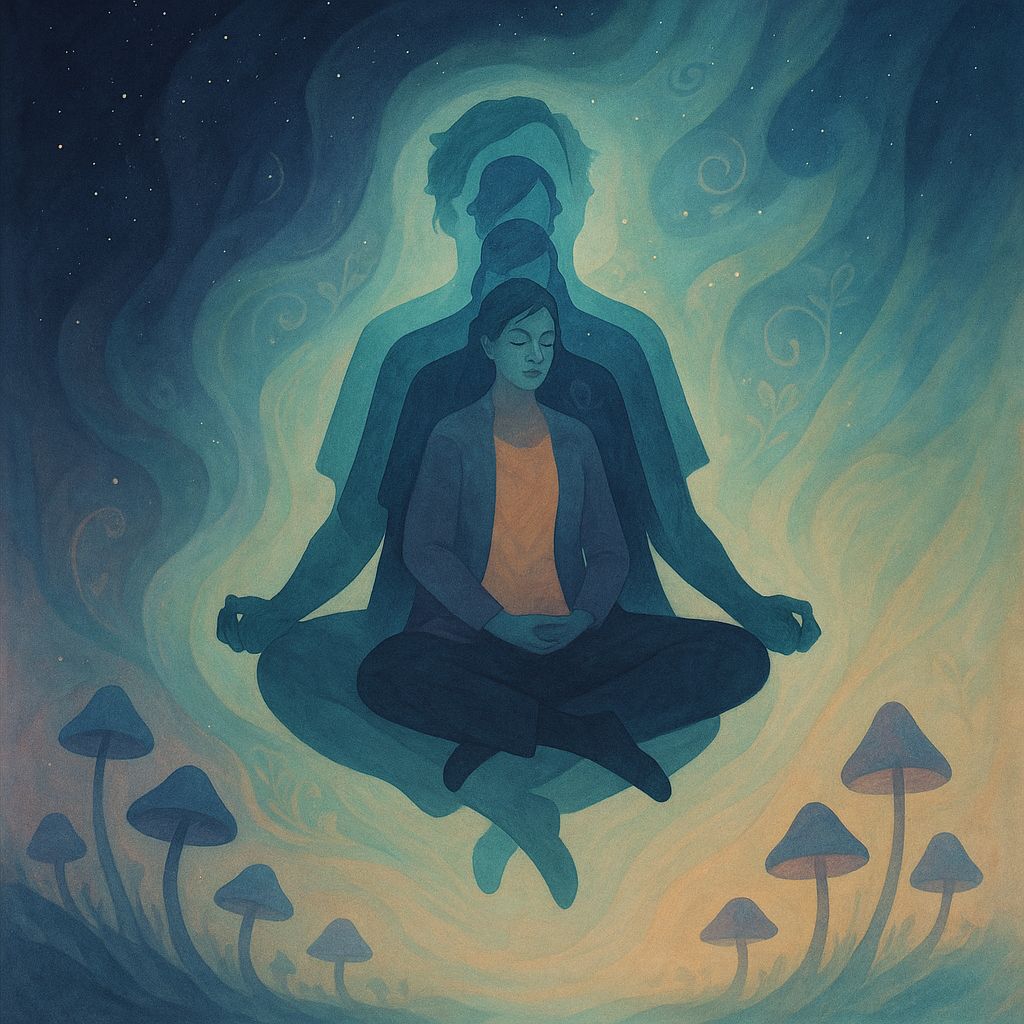
Being comfortable while being uncomfortable is one of the most important skills people can learn. This applies whether it’s on a physical or psychological level, and the area you choose to practice this skill is up to you. It’s vital because our conditioning, traumas, and the constant barrage of emotionally charged media keep us in a perpetual state of fear and anxiety, with our nervous system wired to the max, never allowing us to switch from fight-or-flight mode to rest and relaxation.
If we learn to be comfortable being uncomfortable, we can simply observe these reactions as they happen.
Examples of Observing Discomfort:
Meditation: If your default state of comfort involves running away from things, distracting yourself, or keeping busy to avoid confronting your thoughts, try stopping and meditating. Many people say, “I can’t meditate, my mind never stops.” That’s okay because this can be used to create a controlled environment of discomfort where you sit and observe:
- Your default thoughts.
- Your default reactions.
- Your default emotions and urges.
Physical Activity: If running or gym training is challenging for you, do it. Push your mind through these activities. This controlled environment of discomfort helps you quickly learn about your mental and emotional responses. If, while running or at the gym, you suddenly feel the urge to drink, get angry, sad, anxious, or engage in other distractions, these thoughts show your programming and trauma responses.
Psychedelics: When used appropriately, psychedelics can place you directly into a state of discomfort, offering insights into your subconscious reactions.
Impact on Life Scenarios:
- Relationships: Imagine your comfort zone involves emotional withdrawal, believing you’re unlovable, or living in constant conflict. When someone enters your life with love, aiming to show you how to love, it can trigger discomfort, surfacing all your default programs, wounds, and toxic behaviors. If you can’t recognize these in an isolated environment, you’re likely to self-sabotage, push people away, or even punish them for daring to love you.
- Self-Directed Discomfort: This discomfort can also be directed inward, causing you to enact the same negative patterns on yourself.
- Business and Life Changes: Let’s say you want to start your own business or make a significant change in your life. Change inherently brings anxiety and fear—fear of failure, success, judgment, or deeply rooted beliefs that you don’t deserve better. If these discomforts are not navigated, your ideas might remain on a shelf because the initial discomfort leads you to retreat or distract yourself. Pushing through discomfort is essential for any change, whether it’s starting a business, changing habits, moving to another city, or altering your lifestyle. If you can’t acknowledge and handle this discomfort, you’ll likely revert to your previous state.

The implications of not mastering the ability to be comfortable with being uncomfortable are profound and go much deeper than just physical challenges or facing overt fears. Our subconscious can trigger our nervous system in ways we don’t fully understand, leading to irrational behaviors or reactions whose origins are unclear. The energy and resources spent dealing with these consequences often exceed what would have been needed had we not reacted at all. Therefore, learning to be comfortable with discomfort can significantly reduce the ripple effects of our reactions, making the process of change or personal growth less daunting and more manageable.
Thus, the most effective way to learn about yourself is in as isolated an environment as possible — just you with yourself. This helps you identify what specifically causes discomfort and how your body and mind react to it, without the interference of external stimuli or complex interpersonal dynamics.